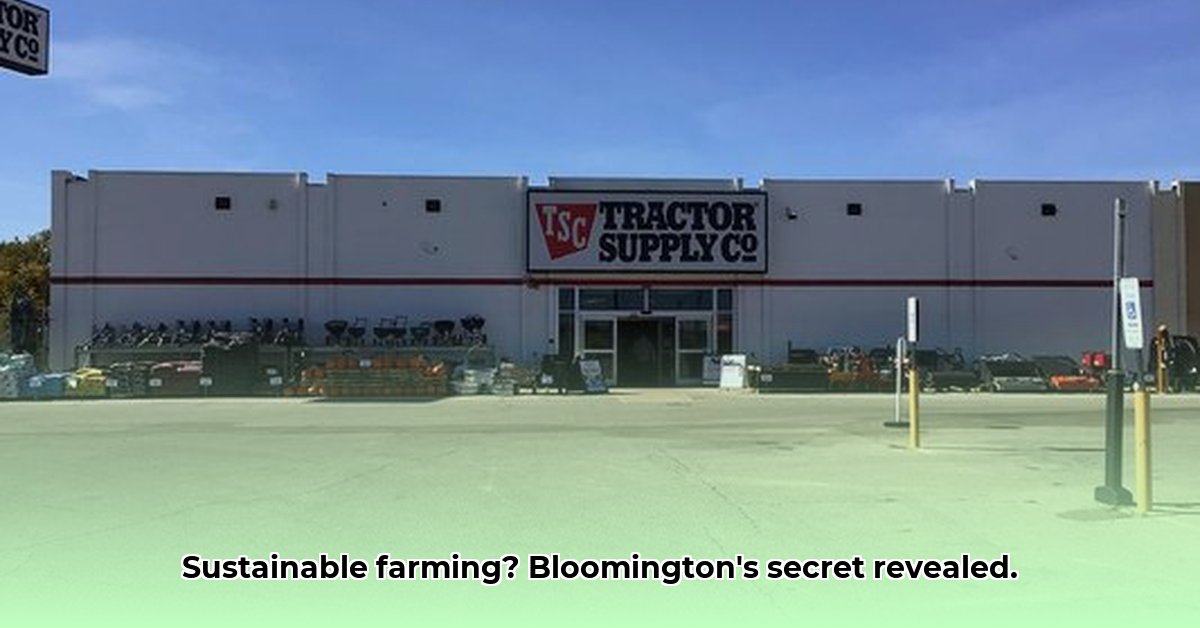
Tractor Supply Bloomington IL: Partnering for a Greener Future?
Tractor Supply (TSC) in Bloomington, Illinois, serves as a vital resource for local farmers and gardeners. However, its contribution to sustainable agriculture requires a nuanced examination. While TSC offers a wide array of products applicable to sustainable farming practices, a comprehensive assessment of its own sustainability efforts is needed. This article explores TSC Bloomington's role, the perspectives of various stakeholders, and actionable steps towards a more sustainable agricultural future. For more information on sustainable farming equipment, check out this helpful resource: weed burner options.
Assessing TSC Bloomington's Sustainability Efforts
TSC Bloomington offers numerous products that can support sustainable farming, including organic seeds, tools for water conservation, and equipment for alternative tillage methods. However, a lack of readily available information regarding their supply chain practices, packaging sustainability, and overall carbon footprint hinders a complete evaluation of its commitment to sustainable agriculture. How much of their inventory is derived from organic or sustainably sourced materials? What initiatives are in place to minimize waste and environmental impact throughout their operations? These are critical questions demanding transparency. The absence of readily available, detailed information creates a significant gap in understanding their true contribution to a greener agriculture.
A Multi-Stakeholder Perspective: Collaboration for Change
To advance sustainable agriculture in Bloomington, collaboration is key. The following table outlines short-term and long-term goals for various stakeholders:
| Stakeholder | Short-Term Goals (Next Year or So) | Long-Term Goals (The Next Few Years) |
|---|---|---|
| Tractor Supply Bloomington | Conduct a comprehensive product sustainability audit; Implement clear labeling of sustainably sourced products; Actively solicit customer feedback on environmental preferences. | Expand organically sourced product lines significantly; Forge strategic partnerships with local sustainable farmers; Implement robust waste reduction and recycling programs across all operations. |
| Local Farmers | Utilize TSC resources to identify and implement sustainable solutions; Provide feedback to TSC on product needs and gaps in sustainable offerings. | Advocate for a wider range of eco-friendly products from TSC; Explore joint marketing initiatives promoting sustainable farming practices with TSC. |
| Bloomington Consumers | Support businesses actively committed to environmental sustainability; Demand transparency regarding product sourcing and environmental impact. | Actively choose companies demonstrating strong sustainability commitments; Advocate for robust environmental policies from local government. |
| Tractor Supply (Corporate Level) | Enhance supplier evaluation processes to incorporate environmental sustainability metrics; Publish transparent reports detailing sustainability efforts and targets. | Establish ambitious company-wide sustainability targets; Invest in research and development of truly eco-friendly products and packaging; champion sustainable supply chain practices. |
Actionable Steps for a Sustainable Future
The following steps outline a practical approach towards enhancing the sustainability of agriculture in Bloomington:
Enhance Transparency: TSC must proactively disclose its sustainability practices, including supply chain transparency and environmental impact data. This increased transparency would build consumer trust and drive positive change.
Expand Sustainable Product Offerings: TSC should significantly increase its range of organically sourced products, water-efficient irrigation systems, and ecologically beneficial pest control options. Expanding this product range will empower consumers to make better environmental choices.
Foster Collaboration: TSC should collaborate with local farmers and organizations promoting sustainable agriculture, sharing best practices and resources. This collaborative approach builds a stronger, more resilient community.
Support Local Initiatives: TSC can support local government initiatives promoting sustainable agriculture, such as grants for eco-friendly farming practices and waste reduction programs. This partnership can strengthen the community's commitment to environmental stewardship.
How to Source Sustainable Farm Supplies in Bloomington, IL
Bloomington's agricultural landscape exhibits a blend of traditional and sustainable practices. Many family farms prioritize soil health, biodiversity, and non-GMO seeds. While direct-to-consumer sales via farmers' markets and CSAs are prevalent, accessing sustainable supplies requires a multi-pronged approach.
"Many local farmers are actively embracing sustainable practices, but organic certification can be a barrier for some," states Dr. Emily Carter, Agricultural Extension Specialist at the University of Illinois. "Connecting with farms directly helps consumers understand their commitment and practices."
Sourcing Sustainable Supplies:
Connect with Local Farms Directly: Attend farmer's markets, join a CSA, or contact local farms directly to purchase supplies and learn about their methods.
Research Local Sustainable Suppliers: Investigate businesses specializing in organic and sustainably sourced farm inputs.
Leverage Online Resources: Websites like LocalHarvest.org can assist in identifying local farms emphasizing sustainable practices.
Engage with Tractor Supply: Request more information on the environmental impact and sourcing of their products. Encourage them to adopt more sustainable practices.
Prioritize Sustainable Choices: Prioritize your needs and align purchasing decisions with sustainable practices.
The future of sustainable agriculture in Bloomington hinges on collaboration and transparency. By working together, farmers, consumers, and businesses like TSC can build a more environmentally responsible and prosperous agricultural community. It's a journey requiring constant learning, adaptation, and a shared commitment to a greener future.